
At a group session with clients this week, we explored the role of emotions in our lives and leadership.
Emotions are essential to human survival. They are socially adaptive and critical to how we function in society.
And yet — how many of us regularly suppress them?
– At work, as executives and leaders.
– In daily social interactions.
– At home, as spouses, parents, children.
An emotion that is not processed is simply contained.
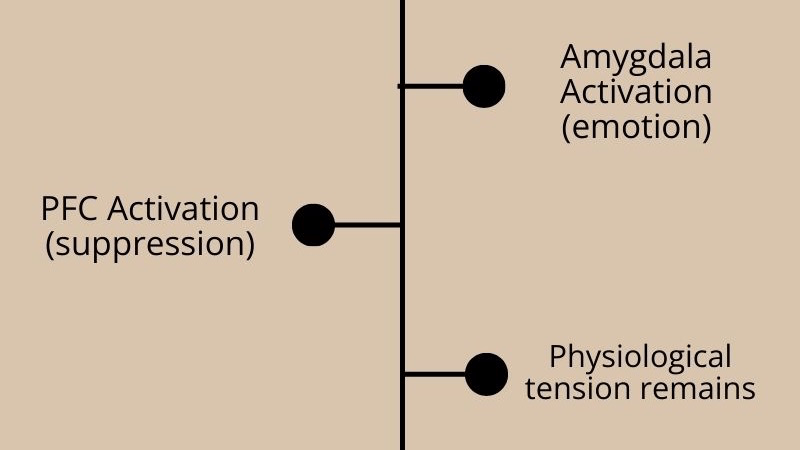
While emotions differ in cause and intensity, the physiological stress mechanisms they activate are the same. When we suppress emotions, the sympathetic nervous system is engaged. Over time, this erodes our health markers. The prefrontal cortex takes significant energy away from executive functioning.
The cost shows up in predictable ways:
- Physiological stress (anxiety, elevated blood pressure, increased blood sugar levels)
- Irritability
- Disengagement, including social withdrawal
- Cognitive strain (exhaustion, reduced openness to growth and change)
Neither suppressed emotions truly disappear. Over time, they inevitably leak into our behavior, often intensifying undesired outcomes and reinforcing negative patterns—what many experience as “calm at work, storm at home.” We notice them when they spill: guilt, anger, or resignation may follow.
Have you been noticing this more and more within yourself lately? It may be a sign that it’s time to stop ignoring your emotions and start taking action.
For improved daily functioning and greater overall satisfaction when dealing with suppressed emotions, my clients find coaching extremely supportive.
For a first-aid help I suggest:
- Identify and accept emotions
- Regulate interpretations
- Explore alternative responses
- Channel energy in healthy ways, including mild exercise