
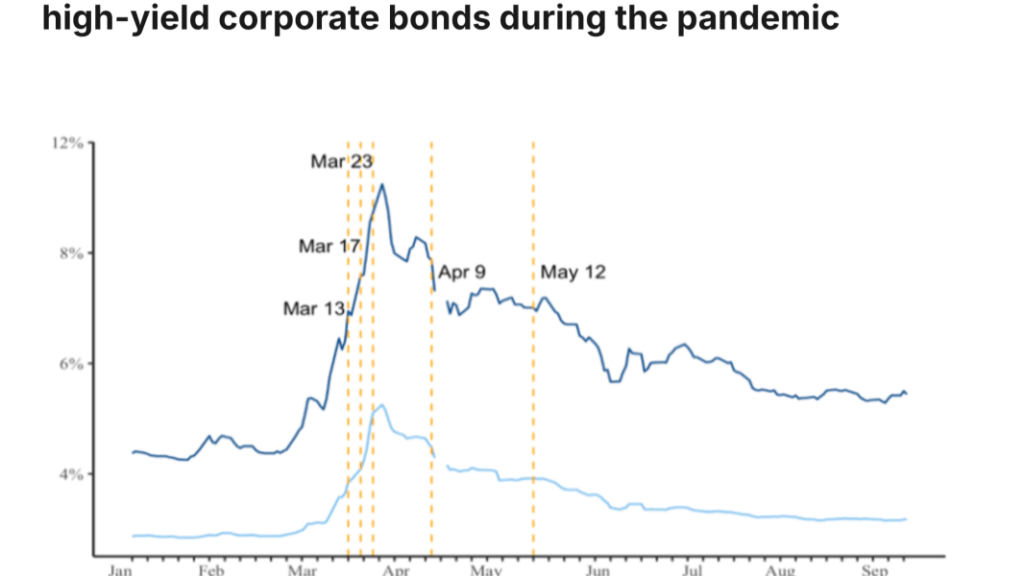
Markets hate uncertainty (Fed Chair?…Covid?…WFC?…)So does the human body.
Uncertainty is more threatening than predictable stress. When we don’t know what’s coming, the brain shifts into constant vigilance.
For those in finance: think of spreads suddenly blowing out past 1000 when uncertainty hits the markets. Your nervous system does the same.
What uncertainty triggers in the body
- Release of stress hormones (cortisol, adrenaline)
- Increased heart rate and blood glucose
- A brain locked in high-threat alert
This response is adaptive (and absolutely necessary) in the short term. The body’s job is survival. First, it needs to anticipate danger. Secondly and overtime, it needs to return us to homeostasis—a healthy range of bio- and phisiologically balanced systems(the same “normal ranges” you see on blood tests).
Sometimes the body overshoots to restore that balance—like sweating profusely to prevent overheating.
When uncertainty lasts too long
The system doesn’t get to shut off.
- Stress responses stay engaged
- Cortisol and glucose remain elevated
- Inflammation increases
- Brain function shifts, especially in the prefrontal cortex
The body is now working against stress nonstop—with no recovery window.
This is where we start to break down.
This impairs our cognitive function:
Prolonged uncertainty leads to:
- Indecision
- Rumination
- Following others without relating it to your own needs and values
I remember this well from my own days in finance.
How coaching helps
Coaching changes how the brain relates to uncertainty:
- Anchors you in what is certain
- Restores agency (what’s within your control)
- Makes uncertainty specific and manageable
- Reframes threat
Small steps you can take right now
- Establish simple routines
- Use breathing exercises
- Choose low-impact movement (walking over intensity)
- Lean into comfort cues: warm light, a blanket, a book… What brings YOU the feeling of calm?
If uncertainty is taking a toll, support matters. And if you need it, I’m here—as a coach.